
How to Stop Procrastinating on a School Project
Learn practical, proven strategies to overcome procrastination, break your school project into manageable steps, and build momentum to get it done on time.
 Naman Jain6 steps~30 minPublished May 1, 2026
Materials
- Notebook or planner (physical or digital)
- Timer (phone or clock)
- Project brief or assignment sheet
- Distraction-blocking app (optional, e.g., Forest, Cold Turkey)
Before you start
- A school project with a known deadline
- Basic materials or tools needed for the project (notebook, laptop, etc.)
Step 1 of 6

Clarify Exactly What the Project Requires
Procrastination often starts with vagueness. Pull out your assignment sheet or notes and answer these questions in writing: • What is the final deliverable? (essay, poster, presentation, model, etc.) • What is the exact deadline (date AND time)? • What are the grading criteria or rubric points? • What resources or materials are allowed or required? Writing the answers down forces your brain to make the project concrete and less intimidating. If anything is unclear, send your teacher a quick message now — uncertainty is a major procrastination trigger.
Highlight or circle the deadline and the three most important rubric points. These become your north star for every decision you make on the project.
- If If the assignment is still unclear after reviewing your notes, do Email or message your teacher before moving on — one unanswered question can stall you for days..
Common mistakes
- ×Skipping this step and diving in without a clear goal, leading to wasted effort.
- ×Keeping the requirements vague in your head instead of writing them down.
- ×Forgetting to check the rubric, which can cause you to miss key grading criteria.
Step 2 of 6

Break the Project Into a List of Tiny Tasks
A big project feels paralyzing; a list of small tasks feels doable. Open your notebook or a notes app and decompose the project into the smallest possible actions. Instead of writing 'do research,' write: • Find 3 reliable sources on [topic] • Read and highlight source #1 • Write a 3-sentence summary of source #1 • Repeat for sources #2 and #3 Aim for tasks that take 15–30 minutes each. Once your list is complete, number the tasks in the order they need to be done. This gives you a ready-made to-do list so you never have to wonder 'what do I do next?' — a key procrastination trigger.
Put the very first task at the top and make it ridiculously easy — something you can finish in under 5 minutes. Starting is the hardest part; an easy win builds momentum.
- If If a task still feels overwhelming after breaking it down, do Break it into even smaller sub-tasks until each one feels completable in a single sitting..
Common mistakes
- ×Writing tasks that are too broad (e.g., 'write the essay') instead of specific micro-steps.
- ×Making the list so long it becomes overwhelming — group related micro-tasks if needed.
- ×Skipping the ordering step, which causes decision fatigue when you sit down to work.
Step 3 of 6
Create a Realistic Mini-Schedule
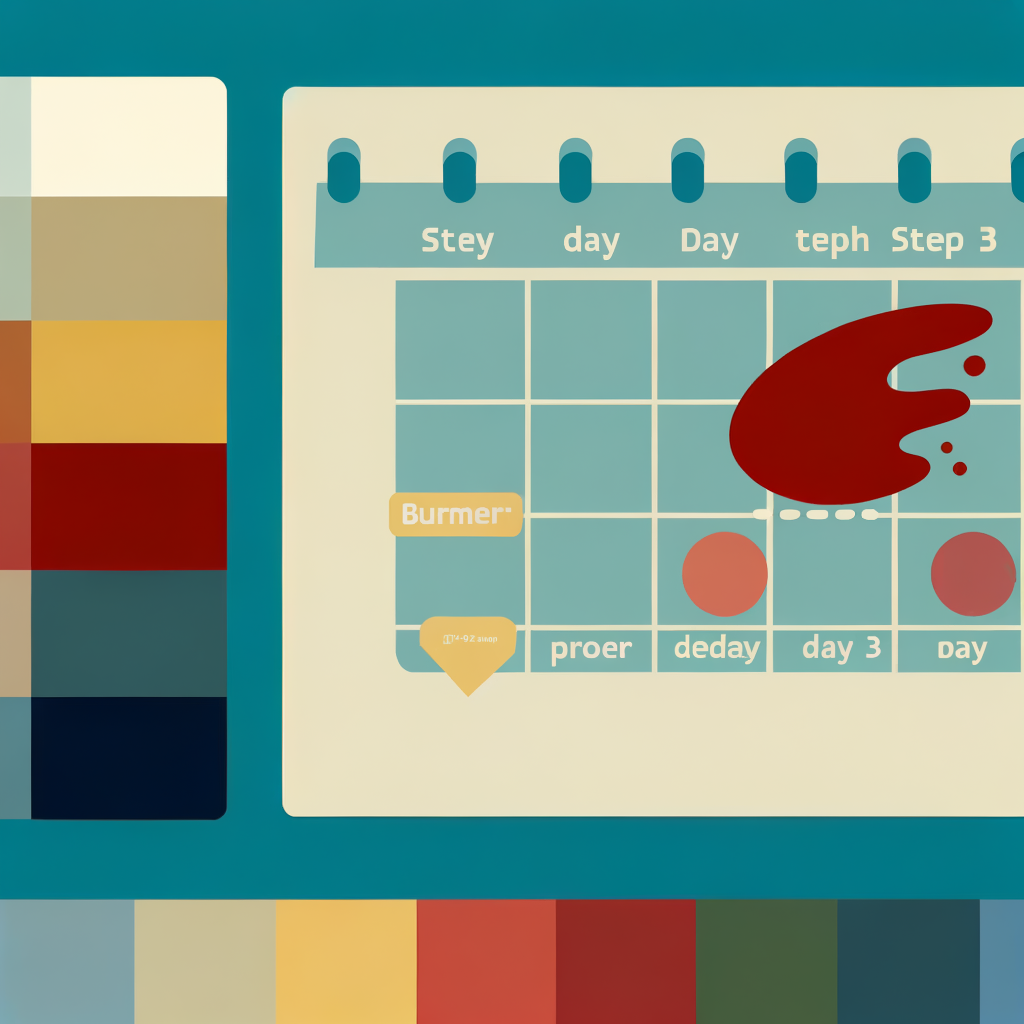
Count how many days you have until the deadline, then assign your task list to specific days and time slots. Follow these guidelines: 1. Work backwards from the deadline — schedule a 'buffer day' the day before to review and polish. 2. Assign 1–3 tasks per day depending on their size. 3. Be honest about your available time — account for school, meals, and rest. 4. Write the schedule in your planner or phone calendar with reminders. Seeing a concrete schedule removes the mental burden of constantly deciding when to work, which is one of the biggest causes of procrastination.
Schedule your project work during your personal peak-energy time — for most students this is mid-morning or early afternoon, not late at night.
- If If you don't have enough days to complete all tasks at a comfortable pace, do Prioritize the highest-value tasks first and consider asking your teacher for guidance on scope..
Common mistakes
- ×Scheduling too many tasks per day, setting yourself up for failure and guilt.
- ×Not adding a buffer day — unexpected events will happen.
- ×Keeping the schedule only in your head instead of writing it down.
Step 4 of 6

Set Up a Distraction-Free Work Environment
Your environment has a huge impact on your ability to focus. Before each work session: 1. Phone: Put it on Do Not Disturb or place it in another room. Even having it face-down on your desk reduces focus. 2. Browser: Close all unrelated tabs. Use a site blocker (Forest, Cold Turkey, or Focus Mode) if social media is tempting. 3. Space: Clear your desk of clutter — a messy space creates a cluttered mind. 4. Noise: Choose silence, white noise, or lo-fi music without lyrics. Avoid music with words if your task involves reading or writing. 5. Supplies: Have everything you need (water, notes, charger) before you sit down so you don't have an excuse to get up.
Tell a family member or roommate that you're working for the next X minutes and ask not to be interrupted. Social accountability dramatically increases follow-through.
Common mistakes
- ×Keeping your phone visible 'just in case' — notifications are major focus-killers.
- ×Working in bed, which your brain associates with rest, not productivity.
- ×Trying to work with the TV on in the background.
Step 5 of 6
Use the Pomodoro Technique to Work in Focused Sprints
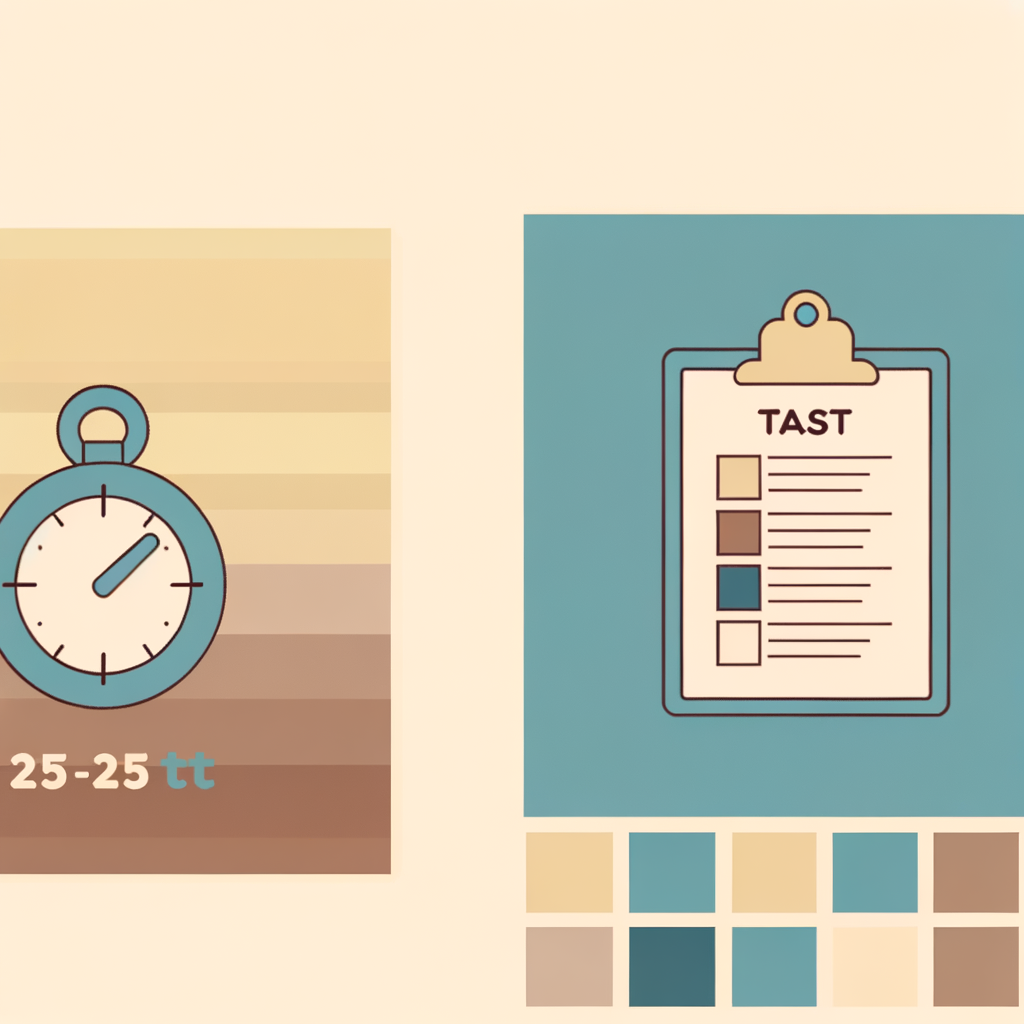
The Pomodoro Technique is a simple time-management method that makes starting easy and prevents burnout: 1. Pick ONE task from your list. 2. Set a timer for 25 minutes and work on only that task until the timer rings. 3. Take a 5-minute break (stand up, stretch, drink water — no scrolling). 4. After 4 Pomodoros, take a longer 15–30 minute break. Why it works: The 25-minute commitment feels non-threatening, so your brain stops resisting. The timer also creates a mild sense of urgency that keeps you focused. If you get distracted, note the distraction on a piece of paper and return to work — deal with it during the break.
If 25 minutes still feels too long, start with 10-minute sprints. The goal is to build the habit of starting — you can lengthen sessions as your focus improves.
- If If you finish a task before the 25 minutes are up, do Use the remaining time to review your work or get a head start on the next task — don't end the sprint early..
Common mistakes
- ×Checking your phone during the 5-minute break — this makes it hard to return to work.
- ×Skipping breaks and burning out after one long session.
- ×Switching tasks mid-Pomodoro — finish the sprint on the same task even if you finish early.
Step 6 of 6

Track Progress and Reward Yourself
Motivation is easier to maintain when you can see progress and have something to look forward to. Here's how: 1. Check off tasks as you complete them — the visual satisfaction of a checked box releases dopamine and reinforces the habit. 2. Set small rewards for completing each work session: a snack, 15 minutes of a show, a walk, or a game. Make the reward proportional to the effort. 3. Review your progress daily — spend 2 minutes each evening looking at what you completed and updating tomorrow's plan. 4. Celebrate milestones — finishing your research, completing a draft, or finishing the project entirely deserves a bigger reward. This positive reinforcement loop retrains your brain to associate the project with reward rather than dread, making it easier to start the next session.
Share your progress with a friend or study buddy. External accountability — even just texting 'I finished my outline!' — is one of the most powerful anti-procrastination tools available.
Common mistakes
- ×Rewarding yourself before completing the task — this removes the incentive.
- ×Skipping the daily review, which causes you to lose track of where you are.
- ×Being too hard on yourself if you miss a session — just adjust the schedule and keep going.
Sources
Generated from model knowledge — verify any factual claims independently.