
How to Stay Focused When Working From Home
Learn practical strategies to minimize distractions, build productive routines, and maintain deep focus while working from home.
Materials
- Desk or dedicated work surface
- Comfortable chair
- Noise-cancelling headphones (optional)
- Planner or digital task manager (e.g., Notion, Todoist)
- Timer (phone or dedicated app)
Before you start
- A computer or device for work
- A space at home you can dedicate to working
Step 1 of 7
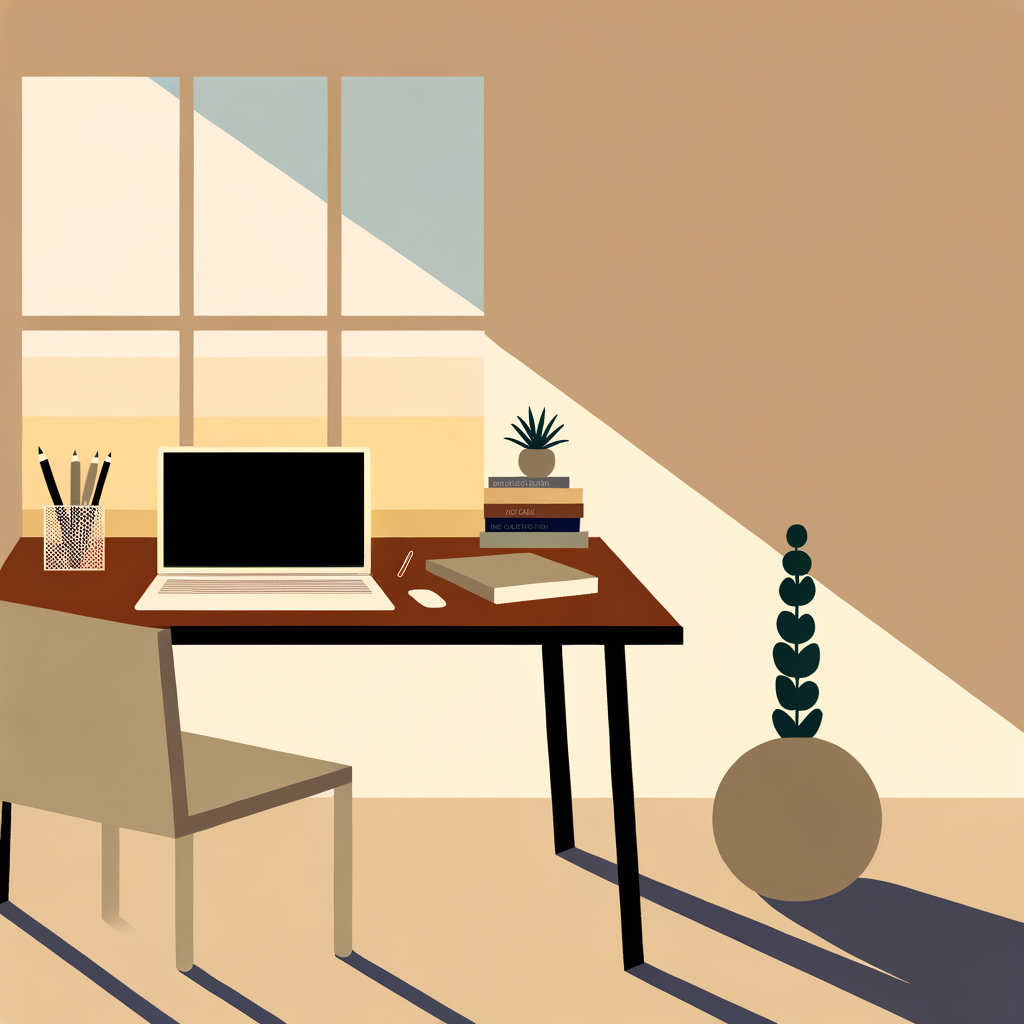
Set Up a Dedicated Workspace
Choose a specific spot in your home that is used only for work — ideally a separate room, but even a consistent corner of a room works. Keep it tidy, well-lit (natural light is ideal), and stocked with everything you need so you're not getting up constantly. Avoid working from your bed or couch, as these spaces are mentally associated with rest and will undermine your focus. Personalize your space lightly — a plant or a motivating quote can help — but avoid clutter. The goal is to train your brain to enter 'work mode' the moment you sit down.
If space is limited, use a visual cue like a specific lamp or desk mat that you only use during work hours. This creates a psychological 'on/off' switch.
Common mistakes
- ×Working from the couch or bed, which blurs the line between rest and work.
- ×Setting up in a high-traffic area of the home where interruptions are frequent.
- ×Keeping your workspace cluttered, which increases mental load.
Step 2 of 7
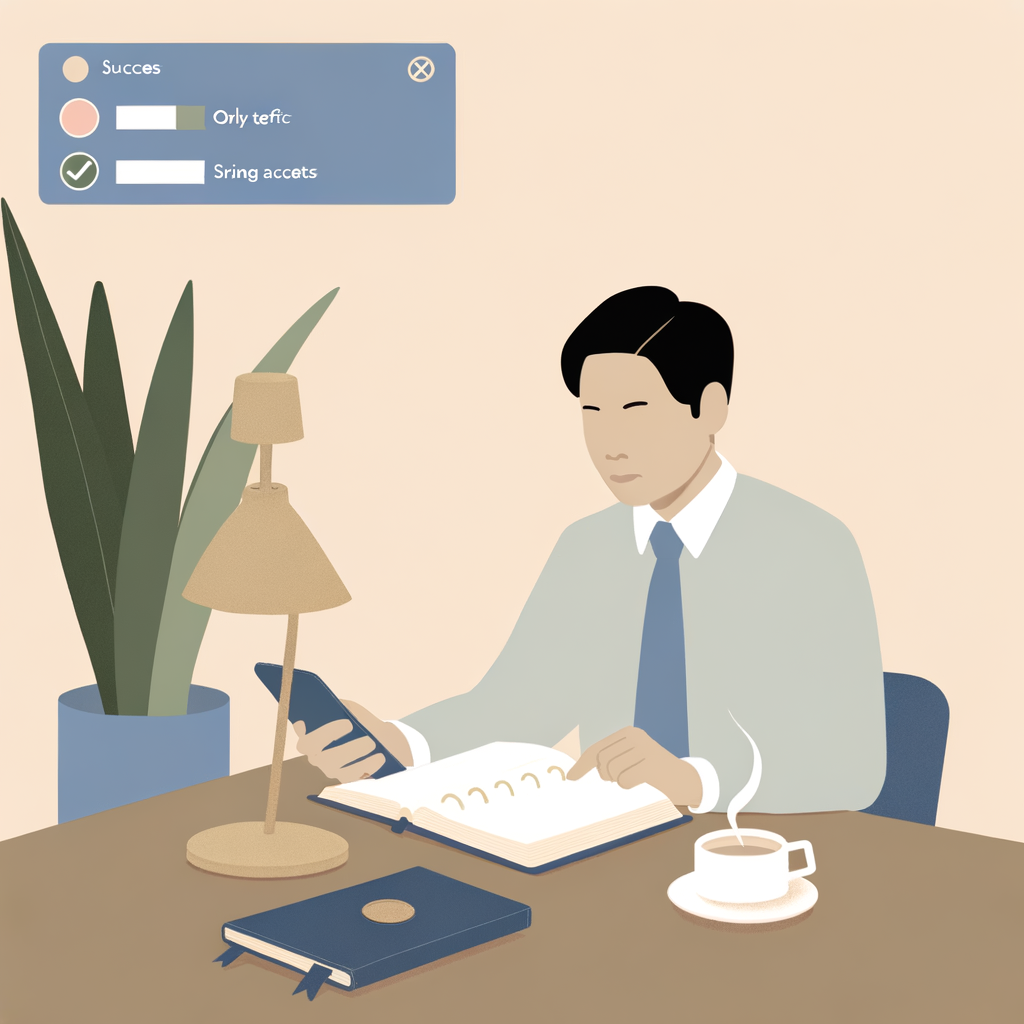
Create a Consistent Daily Routine
Start and end your workday at the same time every day. Begin with a 'start-up ritual' — such as making coffee, reviewing your task list, or a short walk — to signal to your brain that work is beginning. Similarly, create a 'shutdown ritual' at the end of the day (e.g., closing all tabs, writing tomorrow's top 3 tasks) to mentally clock out. Dress as if you're going to the office; this sounds trivial but has a measurable effect on focus and professionalism. Consistency in your schedule reduces decision fatigue and makes focus easier over time.
Schedule your most cognitively demanding tasks during your personal peak energy hours (often mid-morning for most people).
Common mistakes
- ×Starting work at inconsistent times, which prevents a stable focus rhythm.
- ×Skipping a shutdown ritual, leading to work bleeding into personal time.
- ×Staying in pajamas all day, which can reduce motivation and focus.
Step 3 of 7

Plan Your Day With a Prioritized Task List
Each morning (or the night before), write down your top 3–5 tasks for the day. Use a method like the Eisenhower Matrix (urgent vs. important) or simply rank tasks by impact. Break large projects into smaller, actionable steps so you always know exactly what to do next — vague tasks like 'work on report' are harder to start than 'write the introduction section.' Use a digital tool (Todoist, Notion, Trello) or a simple paper planner. Having a clear plan eliminates the mental overhead of deciding what to do, which is a major source of procrastination.
Identify your single Most Important Task (MIT) for the day and complete it first before checking email or messages.
- If If you feel overwhelmed by the number of tasks, do Pick only your top 3 tasks for the day and defer the rest to tomorrow..
- If If you're unsure which task to tackle first, do Ask yourself: 'Which task, if completed today, would make everything else easier or less important?' Start there..
Common mistakes
- ×Creating an unrealistically long to-do list, which leads to overwhelm.
- ×Writing vague tasks instead of specific, actionable steps.
- ×Not prioritizing — treating all tasks as equally urgent.
Step 4 of 7
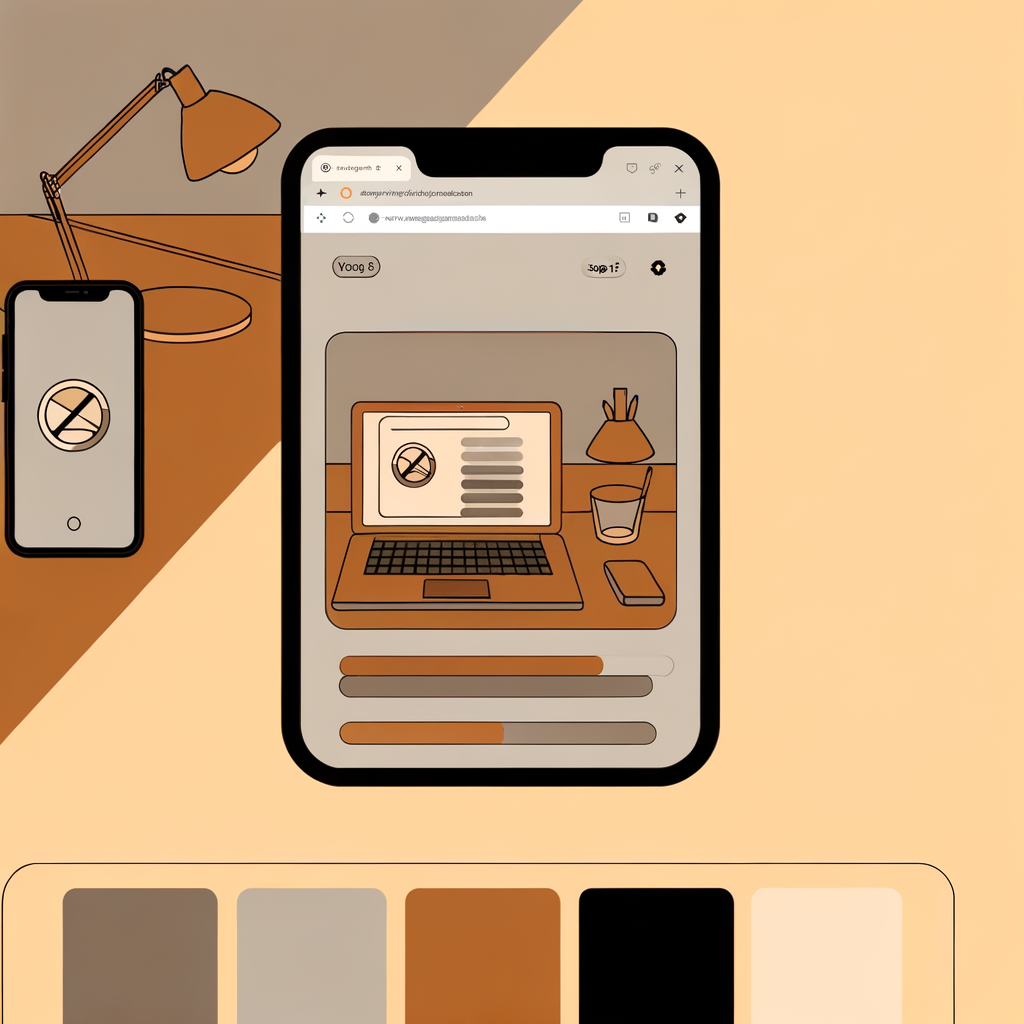
Eliminate Digital and Physical Distractions
Identify your biggest distractors and proactively block them. For digital distractions: turn off non-essential notifications on your phone and computer, use website blockers like Freedom, Cold Turkey, or your browser's built-in Focus Mode during work sessions, and keep your phone face-down or in another room. For physical distractions: communicate your work schedule to family or housemates and set clear 'do not disturb' signals (e.g., headphones on = busy). Close unnecessary browser tabs and keep only work-related apps open. A distraction-free environment is built intentionally, not by willpower alone.
Use noise-cancelling headphones and play ambient sounds (brown noise, lo-fi music, or nature sounds) to mask household noise without being distracting.
- If If you live with others who frequently interrupt you, do Set explicit 'office hours' and use a visual signal (closed door, headphones, a sign) to indicate when you are not to be disturbed..
Common mistakes
- ×Relying on willpower alone to avoid social media instead of using blockers.
- ×Leaving phone notifications on during focus sessions.
- ×Not communicating your schedule to people in your home, leading to constant interruptions.
Step 5 of 7
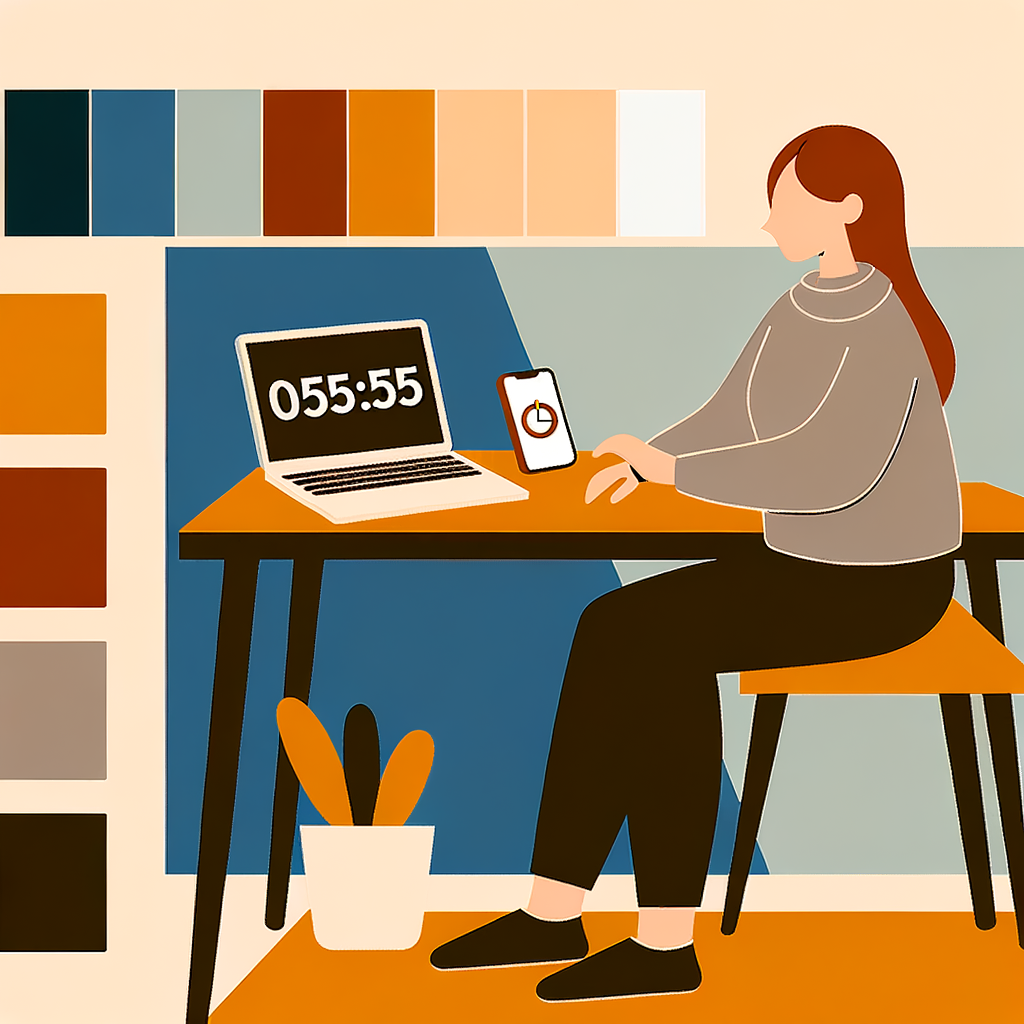
Use the Pomodoro Technique for Focused Work Blocks
The Pomodoro Technique is a time management method that breaks work into focused intervals. Here's how: (1) Choose a single task to work on. (2) Set a timer for 25 minutes and work on that task with full focus — no switching. (3) When the timer rings, take a 5-minute break (stand up, stretch, get water). (4) After 4 Pomodoros, take a longer break of 15–30 minutes. This method leverages the brain's natural attention cycles, creates urgency, and makes large tasks feel manageable. Apps like Forest, Pomofocus, or even a simple phone timer work great for this.
During your 5-minute breaks, avoid screens entirely — stand up, stretch, look out a window, or do a few deep breaths. This genuinely restores focus.
Common mistakes
- ×Checking your phone or social media during the 5-minute break, which derails the recovery.
- ×Interrupting a Pomodoro session for non-urgent tasks — note them down and return to focus.
- ×Using intervals that are too long (e.g., 90 minutes) before building up focus stamina.
Step 6 of 7

Take Care of Your Body to Sustain Mental Focus
Focus is not just a mental discipline — it's deeply physical. Prioritize these habits: (1) Sleep 7–9 hours per night; sleep deprivation is the single biggest killer of cognitive performance. (2) Move your body — even a 10-minute walk between work blocks significantly boosts focus and mood. (3) Stay hydrated and eat balanced meals; avoid heavy lunches that cause energy crashes. (4) Limit caffeine after early afternoon to protect sleep quality. (5) Step outside for at least a few minutes of natural light daily. Building these physical habits creates a sustainable foundation for consistent, high-quality focus.
Schedule movement into your calendar just like meetings. A 10-minute walk after lunch can prevent the afternoon slump and restore afternoon focus.
Common mistakes
- ×Sitting for hours without moving, which leads to fatigue and reduced concentration.
- ×Skipping meals or eating at the desk, which disrupts energy levels.
- ×Relying on caffeine to compensate for poor sleep instead of addressing sleep quality.
Step 7 of 7

Review and Improve Your System Weekly
At the end of each week, spend 15–20 minutes reviewing how it went. Ask yourself: Which days were most productive, and why? What were the biggest distractions? Did I stick to my schedule? What one change would make next week better? Adjust your routine, workspace, or tools based on what you learn. Focus is a skill that improves with intentional practice and honest self-reflection. Keeping a simple weekly log (even just a few bullet points) helps you spot patterns and continuously refine your work-from-home system.
Don't aim for perfection — aim for consistent improvement. Even a 10% productivity gain each week compounds significantly over months.
Common mistakes
- ×Skipping the weekly review and repeating the same unproductive patterns.
- ×Being too self-critical during the review instead of treating it as neutral data.
- ×Making too many changes at once — adjust one thing per week to clearly see what works.
Sources
Generated from model knowledge — verify any factual claims independently.