
How to Determine Your Skin Type
Learn how to accurately identify whether your skin is normal, oily, dry, combination, or sensitive so you can choose the right skincare products and routines.
Materials
- Gentle, fragrance-free cleanser
- Clean towel
- Blotting sheets or tissue paper
- Mirror
- Timer or clock
Before you start
- No makeup or heavy skincare products applied before starting
- Perform the test in a comfortable, room-temperature environment
Step 1 of 6
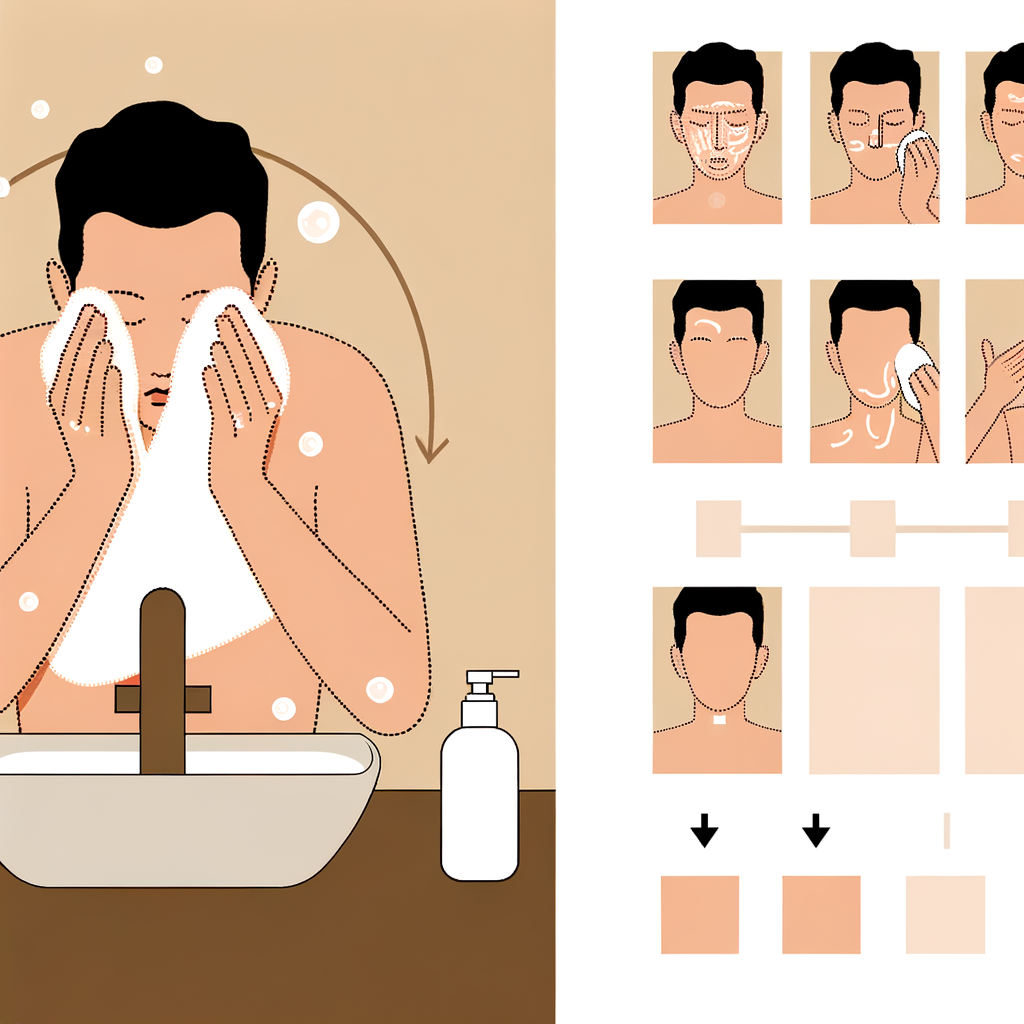
Cleanse Your Face
Start with a clean slate. Wash your face with a gentle, fragrance-free cleanser to remove all makeup, sunscreen, dirt, and excess oil. Avoid using any toners, serums, or moisturizers afterward. Gently pat your skin dry with a clean towel — do not rub. This ensures your skin's natural behavior isn't masked by any products.
Perform this test in the morning when your skin reflects its most natural overnight state, rather than after a long day of exposure to environmental factors.
Common mistakes
- ×Using a harsh or foaming cleanser that strips the skin, making even oily skin feel temporarily dry.
- ×Applying any moisturizer or toner after cleansing, which will interfere with the test results.
Step 2 of 6

Wait 30 Minutes
After cleansing, leave your skin completely bare — no products at all. Wait 30 minutes and go about your normal routine. Avoid touching your face during this time. This waiting period allows your skin to return to its natural balance and produce its typical level of oil (sebum), giving you an accurate reading of your true skin type.
Stay in a room with normal temperature and humidity. Extreme conditions (e.g., near a heater or air conditioner) can temporarily affect your skin's behavior.
Common mistakes
- ×Waiting in a very hot or cold environment, which can temporarily alter oil production.
- ×Touching or rubbing your face during the wait, which stimulates oil glands.
Step 3 of 6
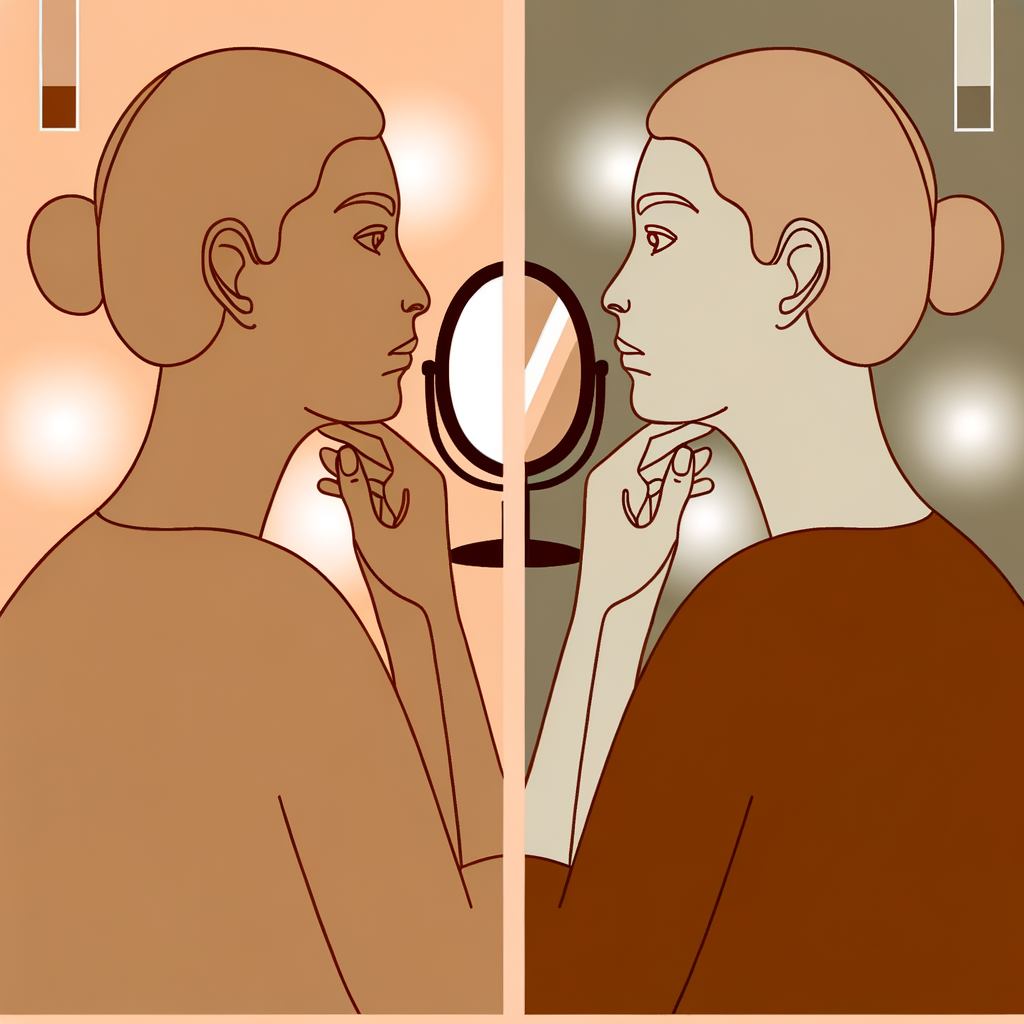
Observe Your Skin in the Mirror
After 30 minutes, look closely at your skin in a well-lit mirror. Pay attention to how it looks and feels across different zones — forehead, nose, chin (the T-zone), cheeks, and around the eyes and mouth. Note any shine, tightness, flakiness, redness, or visible pores. This visual inspection is the first key step in identifying your skin type.
- If Skin looks shiny or greasy all over, do This is a strong indicator of oily skin — proceed to Step 4 to confirm with the blotting test..
- If Skin feels tight, looks dull, or has flaky patches, do This suggests dry skin — proceed to Step 4 to confirm..
- If T-zone is shiny but cheeks feel normal or dry, do This is a classic sign of combination skin — proceed to Step 4 to confirm..
- If Skin looks balanced — neither oily nor dry, no tightness or shine, do This suggests normal skin — proceed to Step 4 to confirm..
Step 4 of 6

Perform the Blotting Sheet Test
Gently press a clean blotting sheet or a single-ply tissue to different areas of your face: forehead, nose, chin, and both cheeks. Hold it against each area for about 5 seconds, then hold the sheet up to the light to examine how much oil was absorbed. • Lots of oil from all areas → Oily skin • Little to no oil from all areas → Dry skin • Oil only from the T-zone (forehead, nose, chin), little from cheeks → Combination skin • Minimal oil, balanced feel → Normal skin If your skin frequently reacts with redness, stinging, or itching to products or weather changes, you likely have a sensitive skin type (which can overlap with any of the above).
You can use rolling papers (the kind used for cigarettes) as a budget-friendly alternative to blotting sheets — they work just as well for this test.
Common mistakes
- ×Pressing too hard, which can force oil out even from dry skin areas.
- ×Using a thick tissue that doesn't absorb oil well — opt for a single-ply or purpose-made blotting sheet.
Step 5 of 6
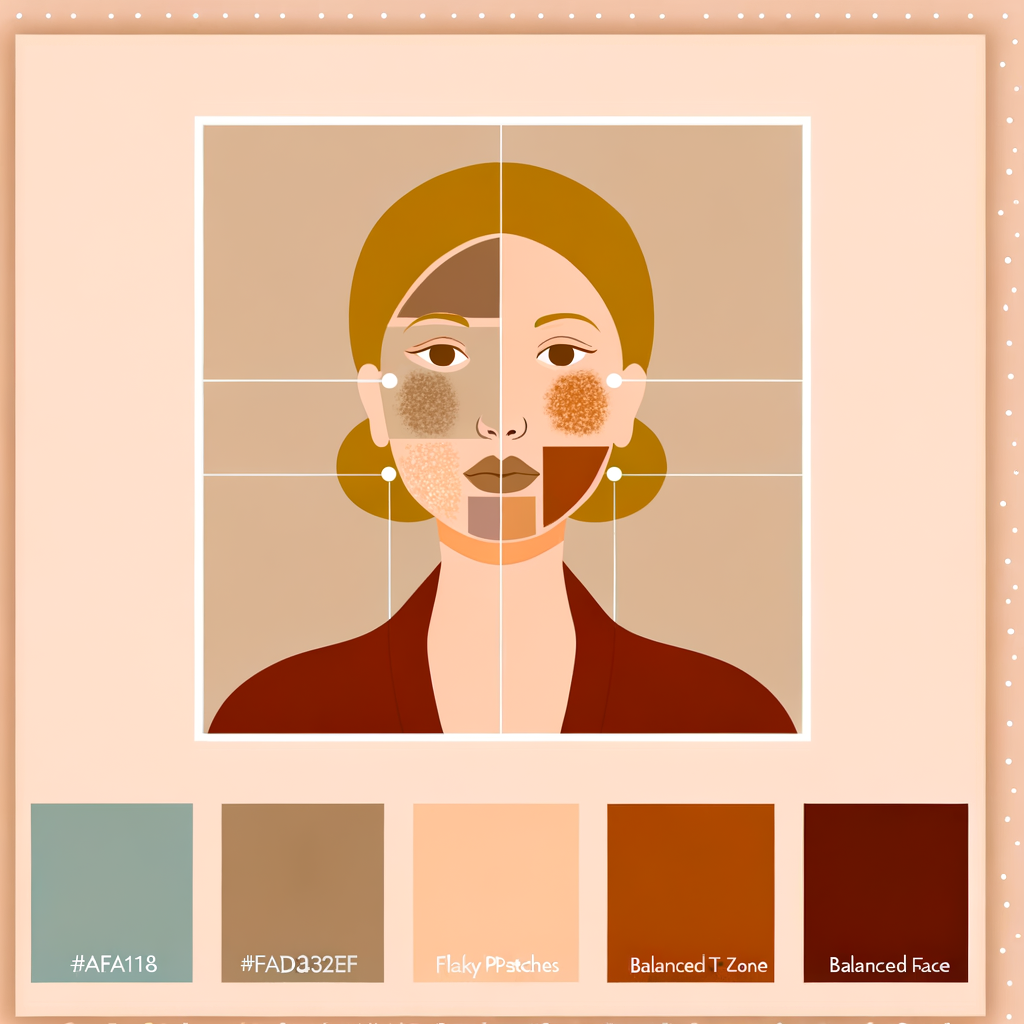
Identify Your Skin Type
Combine your observations from Steps 3 and 4 to determine your skin type: 🟡 Oily Skin: Shiny all over, enlarged pores, oil on blotting sheet from all zones. Prone to breakouts and blackheads. 🔵 Dry Skin: Tight or rough feeling, flaky patches, dull complexion, little to no oil on blotting sheet. May feel itchy. 🟢 Combination Skin: Oily T-zone (forehead, nose, chin) with normal or dry cheeks. Most common skin type. ⚪ Normal Skin: Balanced, comfortable feel, minimal shine, small pores, barely any oil on blotting sheet. 🔴 Sensitive Skin: Frequent redness, stinging, or reactions to products or environmental changes. Can co-exist with any type above. Note: Your skin type can change with age, seasons, hormones, and diet, so it's worth re-testing every few months.
Your skin type can shift with the seasons — many people find their skin becomes drier in winter and oilier in summer. Re-test every 3–6 months for the most accurate results.
Common mistakes
- ×Confusing dehydrated skin (a temporary condition caused by lack of water) with dry skin (a permanent skin type).
- ×Assuming sensitive skin is a standalone type — it's a characteristic that can apply to any skin type.
Step 6 of 6
Tailor Your Skincare Routine
Now that you know your skin type, use it to guide your product choices: • Oily skin: Look for oil-free, non-comedogenic, and mattifying products. Gel-based cleansers and lightweight, water-based moisturizers work best. • Dry skin: Choose creamy, hydrating cleansers and rich moisturizers with ingredients like hyaluronic acid, ceramides, or shea butter. Avoid alcohol-based toners. • Combination skin: Use a gentle cleanser and apply different products to different zones — a lighter moisturizer on the T-zone and a richer one on the cheeks. • Normal skin: You have flexibility! Maintain balance with a gentle cleanser and a medium-weight moisturizer. Focus on SPF protection. • Sensitive skin: Opt for fragrance-free, hypoallergenic, and minimal-ingredient products. Always patch-test new products before full application.
When in doubt, consult a licensed dermatologist — especially if you have persistent acne, rosacea, or eczema, as these conditions require targeted treatment beyond general skin-type care.
Common mistakes
- ×Using the same products year-round without adjusting for seasonal changes in your skin.
- ×Over-cleansing oily skin, which strips natural oils and triggers even more oil production as compensation.
Sources
Generated from model knowledge — verify any factual claims independently.