
How to Adjust to a New Time Zone and Beat Jet Lag Quickly
Learn practical, science-backed strategies to reset your internal clock, minimize jet lag symptoms, and feel energized and alert as fast as possible after crossing time zones.
Materials
- Melatonin supplements (0.5–3 mg, optional)
- Sleep mask
- Earplugs or noise-cancelling headphones
- Reusable water bottle
- Blue-light blocking glasses (optional)
- Comfortable, loose-fitting travel clothing
Before you start
- An upcoming trip crossing 2 or more time zones
- Basic understanding of your departure and arrival local times
Step 1 of 6
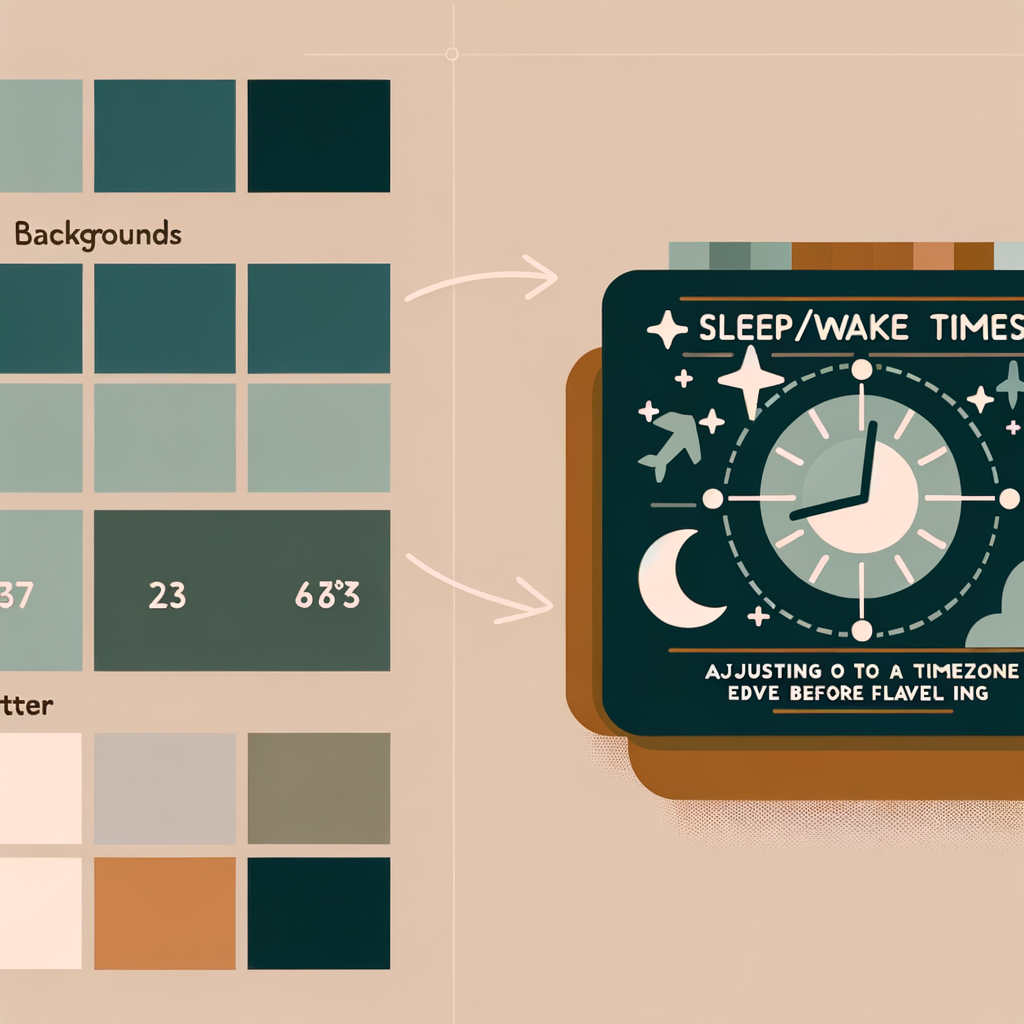
Start Shifting Your Schedule Before You Fly
Begin adjusting your sleep and wake times 2–3 days before departure to give your body a head start. • Traveling east? Go to bed 1 hour earlier each night and wake up 1 hour earlier each morning. Your body needs to advance its clock. • Traveling west? Do the opposite — stay up 1 hour later and sleep in 1 hour later each day. Your body needs to delay its clock. Also adjust meal times gradually in the same direction. Eating at times closer to your destination's schedule primes your digestive system and reinforces the new rhythm. Even a 1–2 hour shift before departure can meaningfully reduce recovery time.
Use a jet lag calculator app (like Timeshifter) to get a personalized pre-trip light and sleep schedule based on your exact flights.
- If If your trip is only 1–2 days long, do Consider staying on your home time zone entirely rather than trying to shift — it may not be worth the disruption..
Common mistakes
- ×Making no pre-trip adjustments and relying entirely on willpower after landing.
- ×Shifting in the wrong direction — always check whether you're traveling east or west.
Step 2 of 6
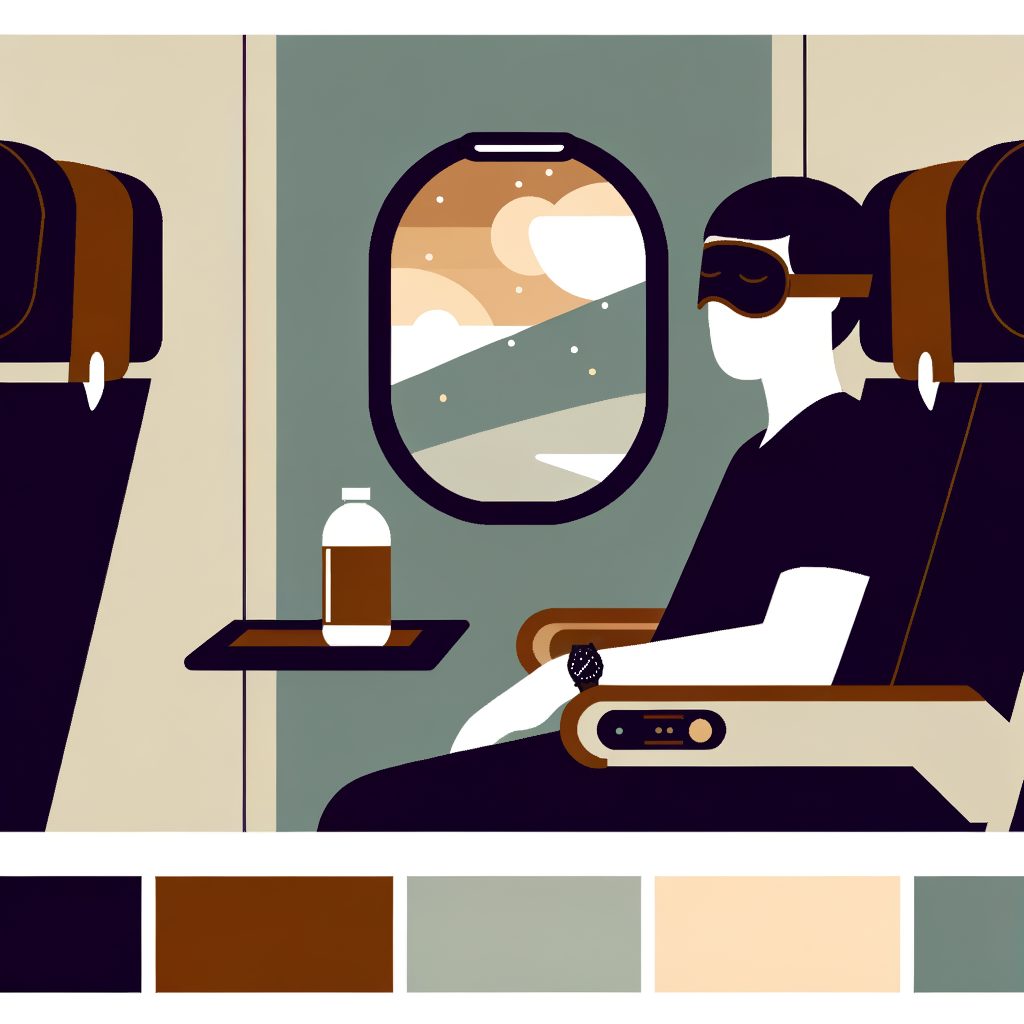
Optimize Your Behavior During the Flight
What you do in the air sets the tone for how quickly you adapt on the ground. • Set your watch to destination time immediately when you board. Start thinking and behaving according to that clock. • Sleep strategically: Only sleep on the plane if it's nighttime at your destination. Use a sleep mask and earplugs to block out light and noise. • Stay hydrated: Cabin air is extremely dry (humidity ~10–20%). Drink at least 250 ml (8 oz) of water per hour. Dehydration worsens fatigue and headaches. • Avoid alcohol and caffeine during the flight — both disrupt sleep quality and increase dehydration. • Move regularly: Walk the aisle and do light stretches every 1–2 hours to maintain circulation and reduce fatigue.
Request a window seat so you can control your light exposure and lean against the wall to sleep more comfortably.
- If If it is daytime at your destination during the flight, do Stay awake, keep the window shade up for natural light exposure, and engage with entertainment or work..
- If If it is nighttime at your destination during the flight, do Dim your screen, put on your sleep mask and earplugs, and try to sleep for as many hours as the destination night allows..
Common mistakes
- ×Drinking alcohol to 'help you sleep' — it fragments sleep and worsens jet lag.
- ×Sleeping at the wrong time relative to your destination, reinforcing the old rhythm instead of breaking it.
Step 3 of 6
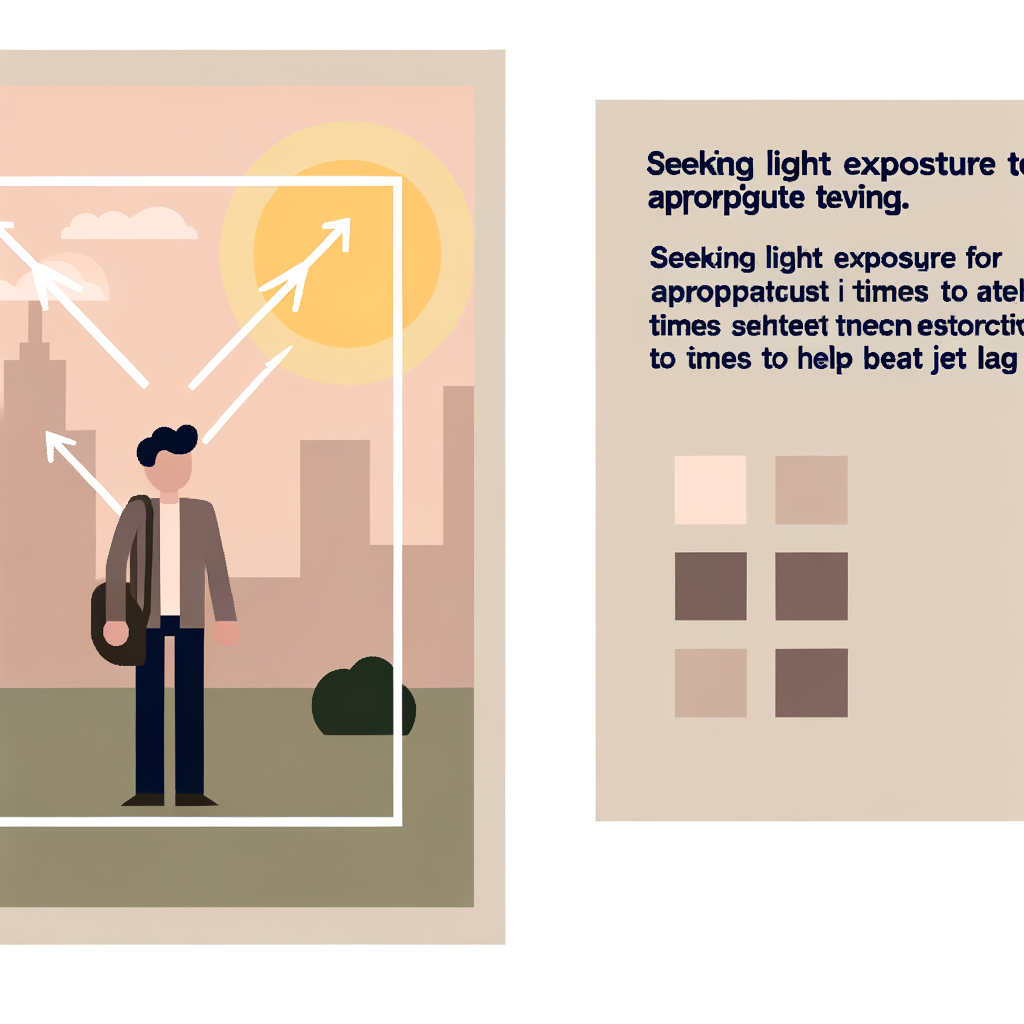
Use Light Exposure Strategically After Landing
Natural light is the single most powerful tool for resetting your circadian rhythm. Your eyes contain special photoreceptors that signal your brain's internal clock directly. • Traveling east: Seek bright morning light at your destination (go outside between 6–10 AM local time). Avoid bright light in the late afternoon/evening for the first 2 days. • Traveling west: Seek bright light in the late afternoon and evening at your destination. Avoid early morning light for the first couple of days. • Spend at least 30 minutes outdoors in natural daylight each day — even on cloudy days, outdoor light is far brighter than indoor lighting. • In the evening, dim indoor lights and avoid screens 1–2 hours before your new local bedtime to allow melatonin to rise naturally.
If you arrive at night or the weather is overcast, a 10,000-lux light therapy lamp for 20–30 minutes can substitute for natural sunlight.
Common mistakes
- ×Staying indoors all day in the hotel — this is the #1 mistake that prolongs jet lag.
- ×Getting light exposure at the wrong time of day, which can shift your clock in the wrong direction.
Step 4 of 6
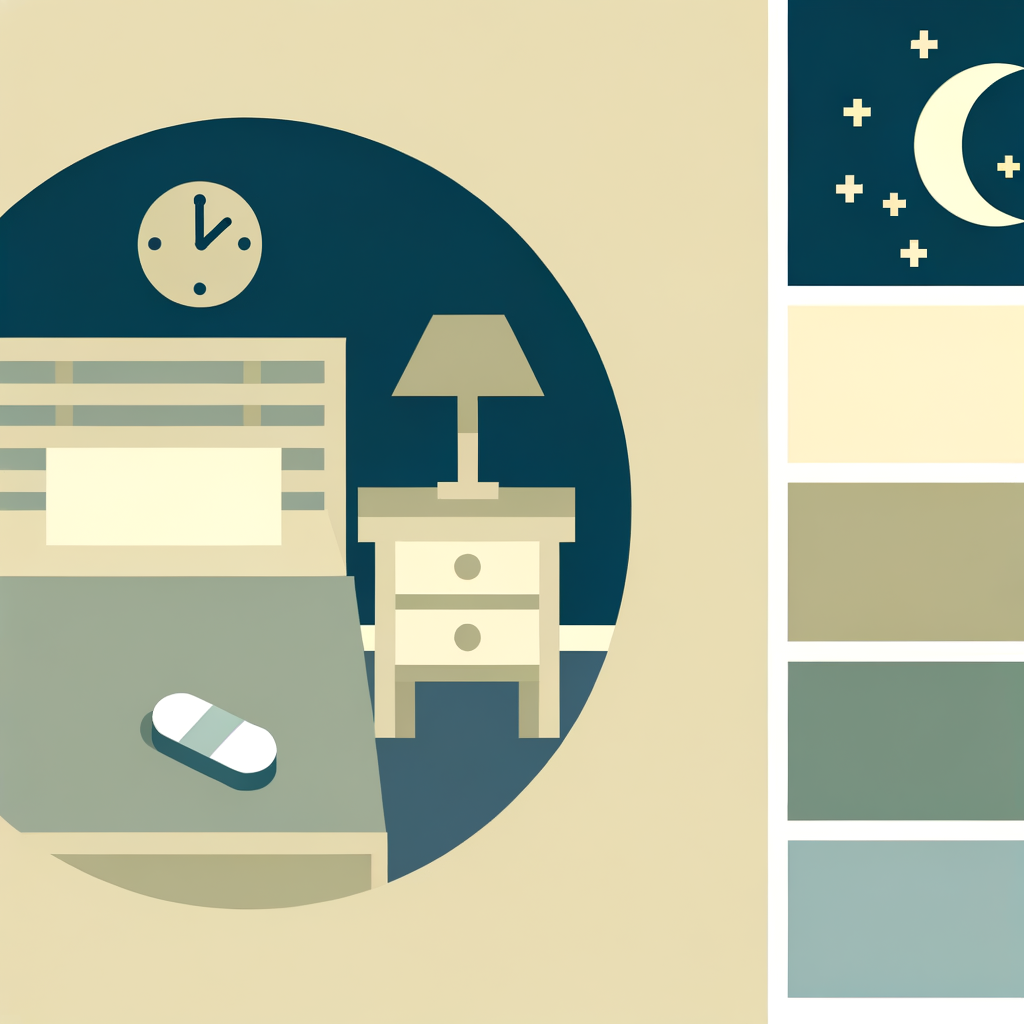
Use Melatonin to Accelerate Your Clock Reset
Melatonin is a hormone your brain naturally releases in the evening to signal sleep. Taking a small dose at the right time can help shift your circadian rhythm faster. • Dose: Use a low dose — 0.5 to 3 mg is effective for most people. Higher doses (5–10 mg) are not more effective and can cause grogginess. • Timing for eastward travel: Take melatonin at your destination's local bedtime (e.g., 10 PM local time) for the first 2–4 nights. • Timing for westward travel: Melatonin is less critical but can be taken at bedtime if you're struggling to fall asleep. • Do not take melatonin in the morning or early afternoon — it will make you drowsy at the wrong time and worsen adaptation. • Melatonin is available over-the-counter in many countries but is prescription-only in some (e.g., UK, Australia) — check local regulations.
Start melatonin the night before your arrival (on the plane or at a layover) set to your destination's bedtime for an extra head start.
- If If you have a medical condition or take regular medications, do Consult your doctor before using melatonin, as it can interact with blood thinners, immunosuppressants, and diabetes medications..
Common mistakes
- ×Taking too high a dose (5–10 mg) thinking it will work better — it won't, and it causes next-day grogginess.
- ×Taking melatonin at the wrong time of day, reinforcing the old time zone.
Step 5 of 6
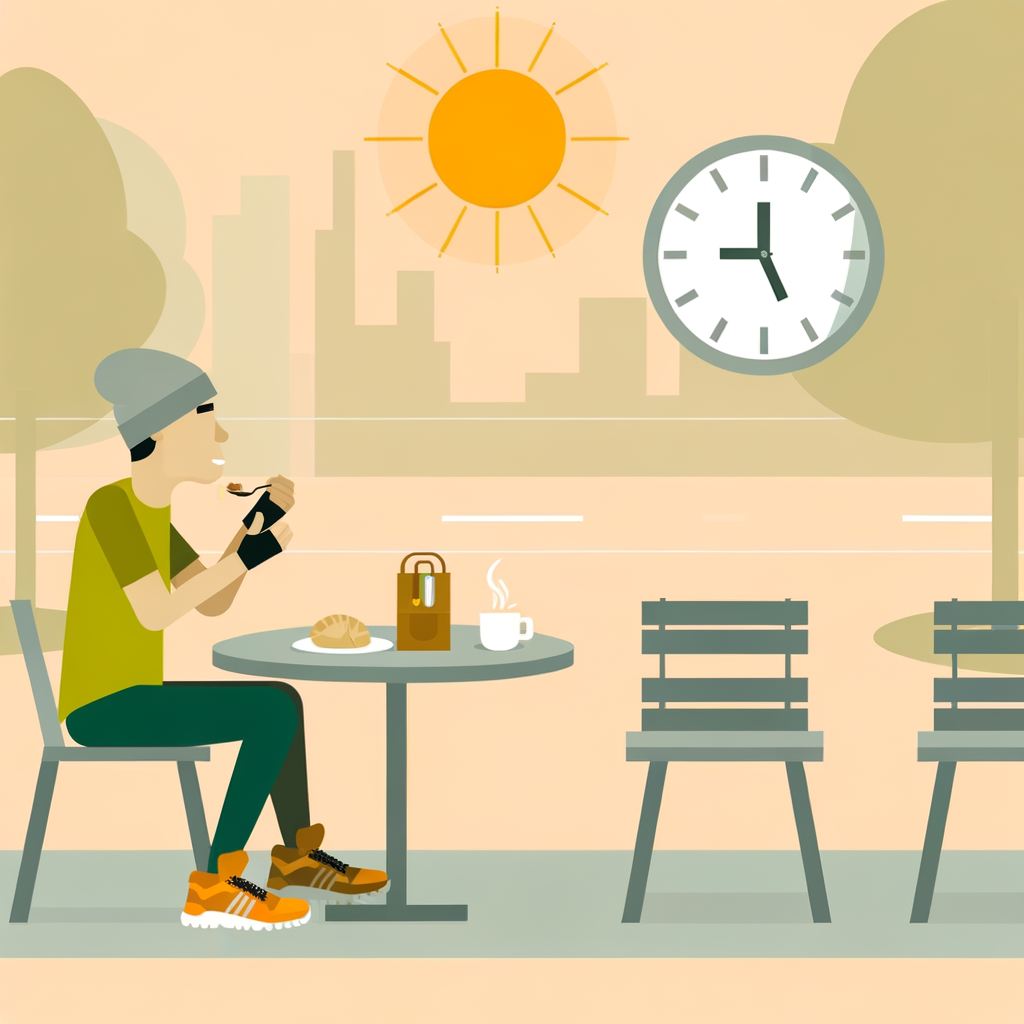
Anchor Your Meals and Exercise to Local Time
Your digestive system and muscles have their own peripheral clocks that respond to feeding and activity cues — independent of light. Syncing these to local time reinforces your overall adaptation. • Eat meals at local times from day one, even if you're not hungry. Avoid eating large meals in the middle of the night (your old home time). • Eat light and healthy: Heavy, fatty meals worsen fatigue. Prioritize lean proteins, complex carbs, fruits, and vegetables. • Exercise in the morning or early afternoon at your destination — physical activity raises core body temperature and alertness, helping anchor your new wake time. • Avoid intense exercise within 3 hours of your new local bedtime, as it can delay sleep onset.
A short 20–30 minute walk or jog outdoors in the morning combines light exposure AND exercise — a double jet lag-busting combo.
Common mistakes
- ×Skipping meals or eating at random times, which confuses peripheral body clocks.
- ×Exercising late at night because it 'feels like afternoon' on home time — this delays sleep at your destination.
Step 6 of 6
Manage Daytime Sleepiness Without Derailing Your Reset
You will likely feel sleepy at odd hours for the first 1–3 days. Managing this carefully is key to not undoing your progress. • Strategic napping: If you must nap, keep it to 20–30 minutes and only before 3 PM local time. A short nap restores alertness without disrupting nighttime sleep. • Use caffeine wisely: Coffee or tea can help you stay awake during the day, but cut off caffeine by 2 PM local time (caffeine has a 5–6 hour half-life). • Power through the first evening: Try to stay awake until at least 9–10 PM local time on your first night. This is the hardest part, but it pays off the next day. • Keep your bedroom dark and cool (around 65–68°F / 18–20°C) to promote deep sleep at your new local bedtime. • Most people fully adapt within 1 day per time zone crossed when following these strategies consistently.
Try a 'coffee nap': drink a cup of coffee, then immediately take a 20-minute nap. The caffeine kicks in just as you wake up, leaving you doubly refreshed.
- If If you feel dangerously drowsy (e.g., while driving), do Pull over and take a short nap immediately — safety always comes first over schedule optimization..
Common mistakes
- ×Taking a long nap (1–3 hours) in the afternoon — this almost guarantees you won't sleep that night.
- ×Going to bed at 7 PM local time on night one because you're exhausted — push through to at least 9 PM.
Sources
Generated from model knowledge — verify any factual claims independently.